Digital Health Monitoring
Digital health monitoring utilizes technology to track patient data in real-time, enabling proactive healthcare management and enhancing patient outcomes and wellness.
Related Projects
What is Digital Health Monitoring?
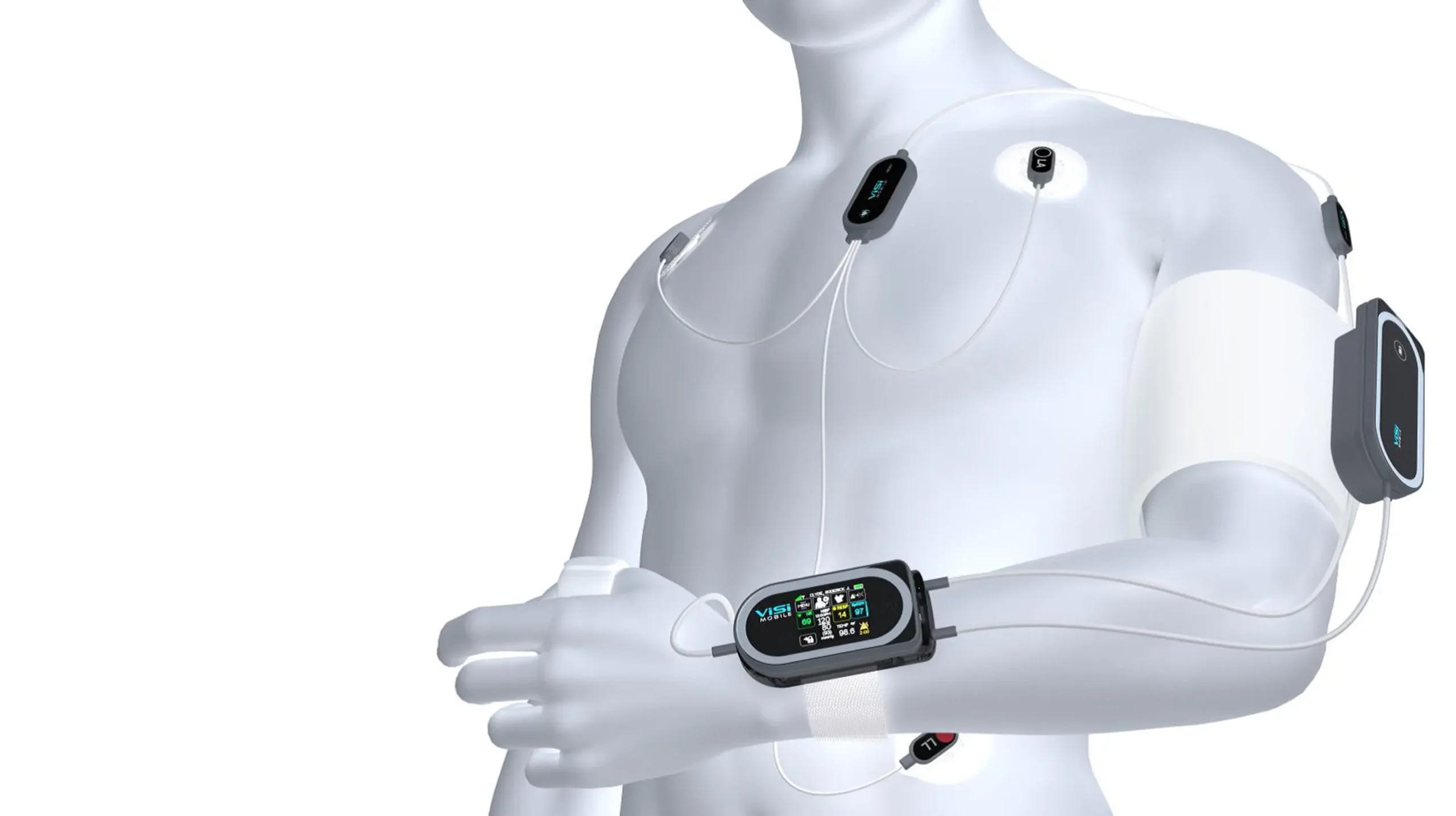
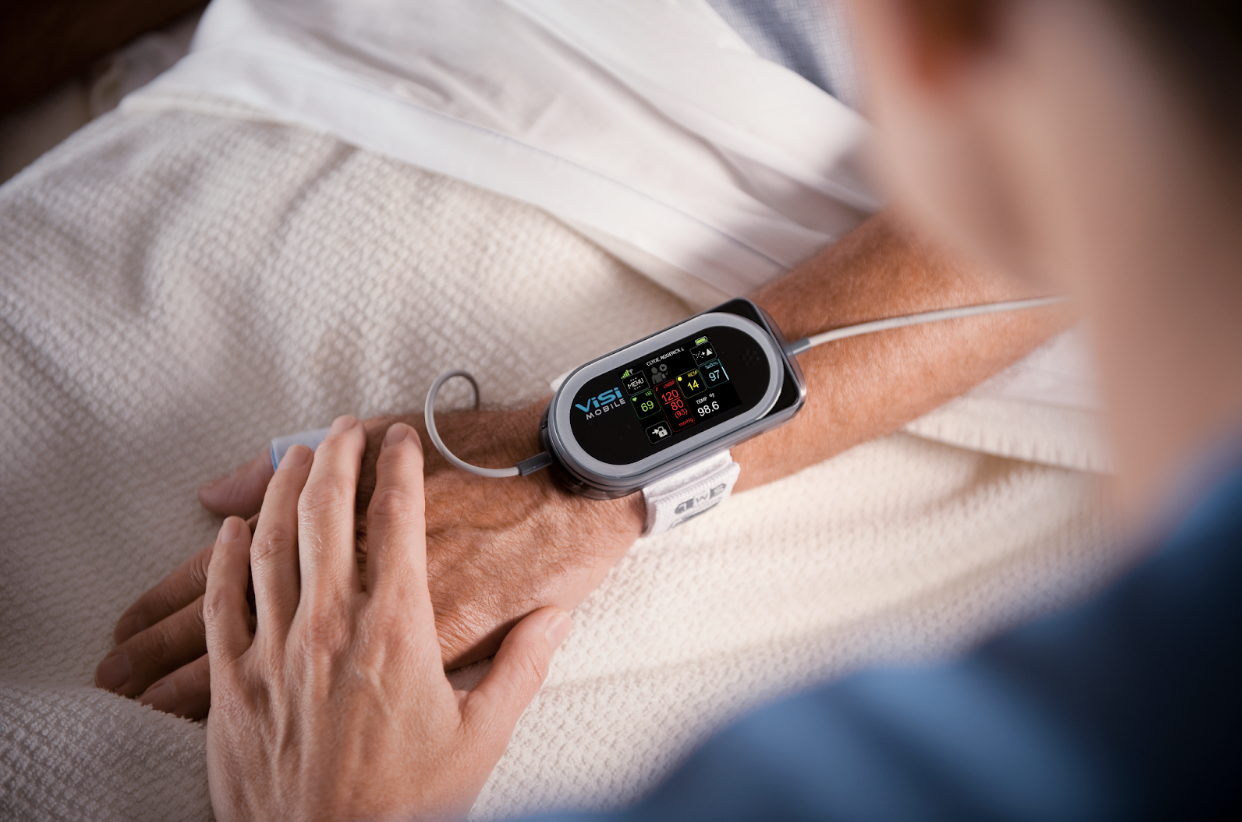
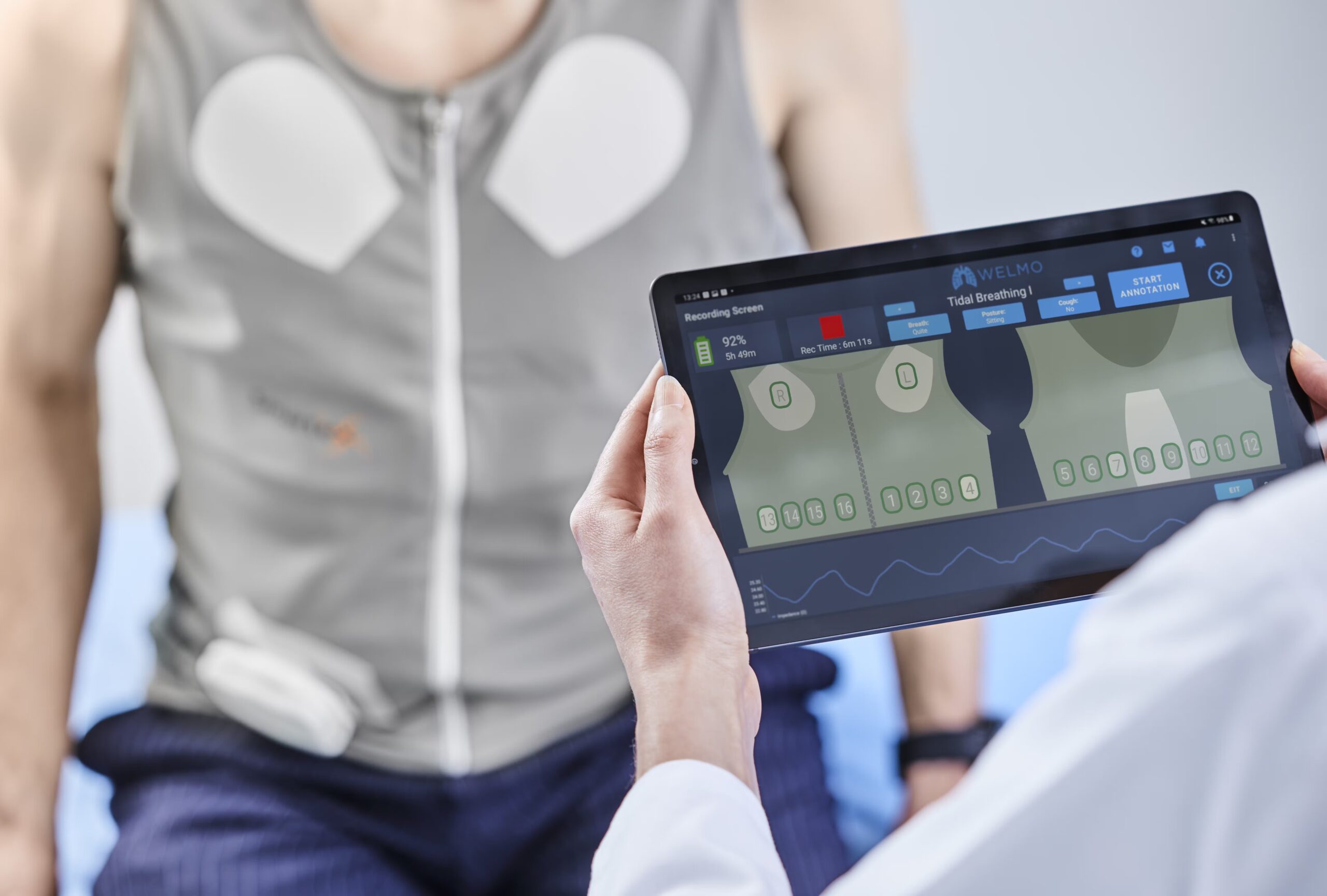
Digital health monitoring refers to the use of digital technologies to track, manage, and improve an individual’s health and well-being. It involves the collection of health data through devices like wearables, smartphones, and sensors, which are then analyzed to provide insights into various health conditions. The data can include metrics such as heart rate, blood pressure, activity levels, sleep patterns, glucose levels, and more.
These systems often use Internet of Things (IoT) devices that continuously monitor health parameters and transmit data to cloud-based platforms for storage and analysis. With the help of artificial intelligence (AI) and machine learning, digital health tools can identify patterns, predict potential health issues, and offer personalized recommendations.
Applications of digital health monitoring are wide-ranging:
1.Chronic disease management: Continuous monitoring of conditions like diabetes or hypertension allows for real-time adjustments to medication or lifestyle changes.
2.Fitness tracking: Wearables like fitness trackers and smartwatches help individuals track their daily activity, steps, heart rate, and sleep, promoting better overall health.
3.Telemedicine: Digital health tools enable remote consultations, where doctors can monitor patients’ vital signs and adjust treatments without the need for in-person visits.
4.Preventative healthcare: Monitoring enables early detection of health problems, reducing the risk of severe illnesses and preventing hospitalizations.
5.Personalized health interventions: AI-driven analytics can suggest individualized health and wellness plans based on real-time data, improving patient outcomes.
In essence, digital health monitoring enhances access to healthcare, improves patient engagement, reduces costs, and empowers individuals to take control of their health in proactive ways.
Table of Contents
Related Publications
A. Safdari, A. Mansouri, M. J. Fazli, P. Zarafshan, K. Alipour, B. Tarvirdizadeh. PID Controller Design for a Mechatronic System using Lion Optimization Algorithm. 2025 Fifth National and the First International Conference on Applied Research in Electrical Engineering (AREE), vol. _, no. _, pp. 1-7, 2025.
A. Javadi, K. Alipour, M. A. Najafqolian, B. Tarvirdizadeh, M. Ghamari. Dynamic Model-Free Reinforcement Learning Strategies for Achieving Nash Equilibrium in Graphical Games with Communication Challenges. 2024 12th RSI International Conference on Robotics and Mechatronics (ICRoM), vol. _, no. _, pp. 555-561, 2024.
M. Olyai, K. Alipour, B. Tarvirdizadeh, M. Sorouri, M. Ghamari. Trajectory Tracking of Tractor-Trailer Wheeled Mobile Robots via Dynamic Feedback Linearization in Forward and Backward Motion. 2024 10th International Conference on Control, Instrumentation and Automation (ICCIA), vol. _, no. _, pp. 1-6, 2024.
K. P. Abrisham, K. Alipour, B. Tarvirdizadeh, M. Ghamari. Deep Learning-Based Estimation of Arterial Stiffness from PPG Spectrograms: A Novel Approach for Non-Invasive Cardiovascular Diagnostics. 2024 46th Annual International Conference of the IEEE Engineering in Medicine and Biology Society (EMBC), vol. _, no. _, pp. 1-7, 2024.
Y. Hasanpoor, A. Rostami, B. Tarvirdizadeh, K. Alipour, M. Ghamari. Real-Time Stress Detection via Photoplethysmogram Signals: Implementation of a Combined Continuous Wavelet Transform and Convolutional Neural Network on Resource-Constrained …. 2024 32nd International Conference on Electrical Engineering (ICEE), vol. _, no. _, pp. 1-5, 2024.